
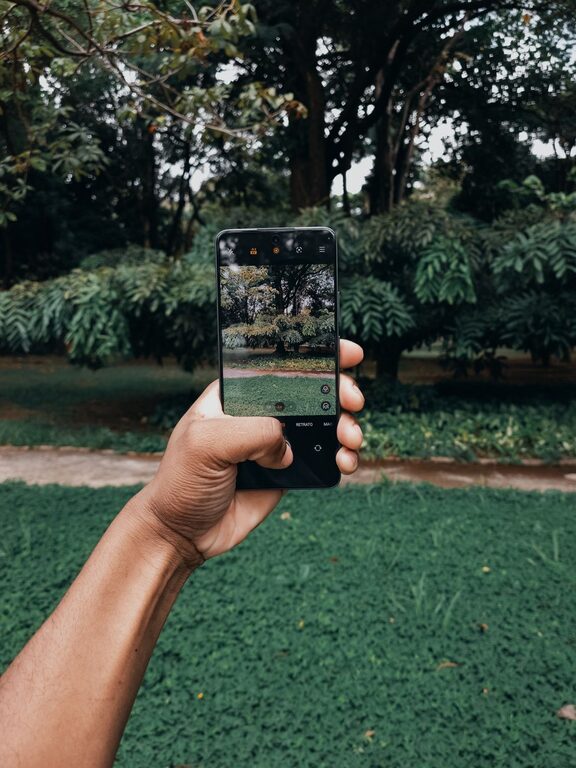
Taking great photos with your phone is easier than ever, thanks to powerful cameras built into most smartphones today. Whether you want to capture everyday moments, special events, or beautiful landscapes, a few simple techniques can help you take better phone photos. This guide offers beginner-friendly tips to boost your skills and make the most of your mobile camera.
Understand Your Phone’s Camera Features
The first step to better phone photography is to get familiar with your device’s camera features. Most smartphones come with multiple lenses, HDR mode, night mode, and manual settings that can enhance your images.
– Explore camera modes: Many phones offer portrait, panorama, macro, and slow-motion modes. Try them out to see what works for your subject.
– Use grid lines: Enable grid lines in your camera settings to apply the “rule of thirds,” which helps compose balanced and interesting shots.
– Adjust exposure: Tap on your subject and slide to increase or decrease brightness for well-lit images.
Focus on Composition
Good composition makes your photos visually appealing. Here are some composition tips that beginners can use:
– Use the rule of thirds: Imagine your screen divided into nine equal parts by two vertical and two horizontal lines. Place key elements along these lines or their intersections.
– Fill the frame: Get closer to your subject to eliminate distractions and create more impactful photos.
– Look for leading lines: Use roads, fences, or shadows to lead the viewer’s eye to the subject.
– Simplify your background: A clutter-free background highlights your subject better.
Lighting is Key
Lighting can make or break your photo. Natural light generally produces the best results, but here’s how to manage it effectively:
– Shoot during golden hours: Early morning or late afternoon light is soft and warm, ideal for portraits and landscapes.
– Avoid harsh midday sun: Midday sunlight can create strong shadows and overexposed spots. Find shade or wait for clouds to soften the light.
– Use reflected light: Bright surfaces like walls can reflect light onto your subject, reducing shadows.
– Try backlighting for creativity: Placing the light source behind your subject can create silhouettes or glowing effects.
Keep Your Phone Steady
Blurry photos often result from camera shake. To keep your phone steady:
– Hold your phone with both hands and tuck your elbows close to your body.
– Lean against a stable surface like a wall to reduce movement.
– Use a tripod or phone stand for extra stability, especially in low light.
– Try the timer function to avoid shaking the phone when tapping the shutter button.
Experiment with Angles and Perspectives
Don’t just shoot from eye level. Changing your angle can add interest and depth:
– Shoot from low angles to make subjects look larger or more dramatic.
– Try overhead shots for flat-lay photography, ideal for food or product images.
– Move around your subject to find unique viewpoints and avoid boring, centered shots.
Mind Your Phone’s Settings
Adjusting settings can help fine-tune your photos:
– Turn off flash: Most phone flashes produce harsh light. Use natural or ambient light instead whenever possible.
– Set the highest resolution: This ensures your photos have maximum detail.
– Use HDR mode: It balances bright and dark areas for better overall exposure.
– Enable grid lines: As mentioned, they help with composition.
Edit Your Photos Thoughtfully
Editing can enhance your photos, but it’s best to keep it natural:
– Use built-in editing tools: Adjust brightness, contrast, saturation, and sharpness.
– Crop to improve composition: Remove distracting edges or reframe your shot.
– Avoid heavy filters: Overprocessing can make photos look unrealistic.
– Try free photo editing apps: Many apps offer user-friendly features to improve your images.
Practice Regularly
The more you practice, the better you’ll get. Shoot in different lighting, settings, and subjects. Review your photos to learn what works and what doesn’t.
Final Thoughts
Taking better phone photos doesn’t require expensive gear or advanced skills. By understanding your camera, paying attention to composition and lighting, keeping your phone steady, and practicing regularly, you’ll capture stunning images that you’ll be proud to share. Grab your phone and start experimenting today!
