
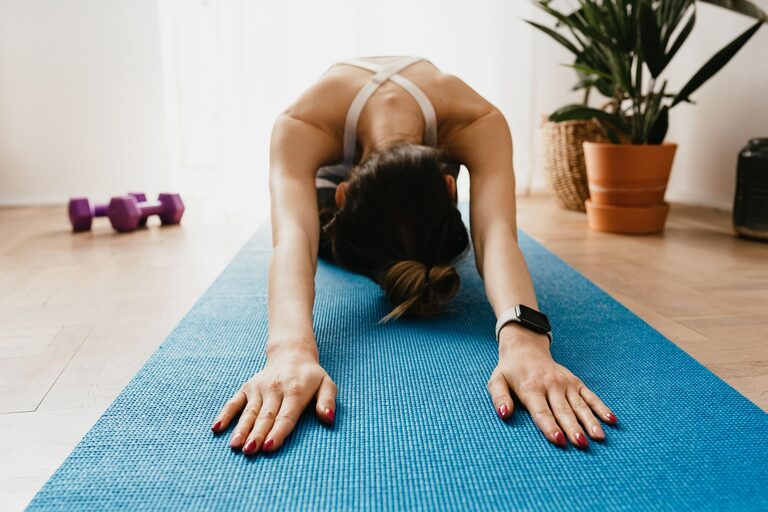
Stretching is a simple yet powerful way to enhance your physical health and overall well-being. Whether you want to improve your flexibility, reduce muscle tension, or just feel more relaxed, stretching at home is an accessible option for everyone. This beginner’s guide will walk you through the basics of stretching, offer tips for safe practice, and provide easy routines you can try today.
Why Stretching Matters
Stretching helps to lengthen muscles and improve the range of motion in your joints. Doing it regularly can:
– Reduce muscle stiffness and soreness
– Improve posture and alignment
– Enhance circulation and energy levels
– Lower the risk of injury during physical activities
– Promote relaxation and reduce stress
Even a few minutes each day can make a positive difference.
Getting Started: What You Need
The good news is you don’t need any special equipment to stretch at home. However, these items can make your experience more comfortable:
– A yoga mat or soft surface: to cushion your joints
– Comfortable clothing: that allows easy movement
– Water bottle: to stay hydrated
– Timer or watch: to keep track of stretch durations
Find a quiet, well-ventilated space where you can stretch without distractions.
Key Principles for Safe Stretching
Before diving into specific stretches, keep these safety tips in mind:
– Warm up first: Stretching cold muscles can cause injury. Try a light walk or march in place for 3-5 minutes.
– Move gently: Stretch slowly until you feel mild tension—not pain.
– Hold stretches: Aim for 15-30 seconds per stretch and repeat 2-3 times.
– Breathe deeply: Focus on steady breathing to help your muscles relax.
– Avoid bouncing: Stretching should be steady; bouncing can strain muscles.
– Listen to your body: If something hurts, ease off or skip that stretch.
Basic Stretching Routine for Beginners
Here’s a simple full-body routine you can do at home, taking about 10-15 minutes.
1. Neck Stretch
– Sit or stand upright.
– Slowly tilt your head toward your right shoulder until you feel a stretch on the left side of your neck.
– Hold for 20 seconds, then switch sides.
2. Shoulder Stretch
– Bring your right arm across your chest.
– Use your left hand to gently press your right arm closer to your chest.
– Hold for 20 seconds, then switch arms.
3. Triceps Stretch
– Raise your right arm overhead and bend the elbow to reach your upper back.
– Use your left hand to gently push the right elbow.
– Hold for 20 seconds, then switch arms.
4. Side Stretch
– Stand with feet shoulder-width apart.
– Raise your right arm overhead and lean to the left, feeling a stretch along your right side.
– Hold for 20 seconds, then switch sides.
5. Hamstring Stretch
– Sit on the floor with your right leg extended and left foot against your inner thigh.
– Reach toward your right toes, keeping your back straight.
– Hold for 20-30 seconds, then switch legs.
6. Quadriceps Stretch
– Stand near a wall or chair for balance.
– Bend your right knee and hold your ankle behind you.
– Keep knees close together and stand tall.
– Hold for 20 seconds, then switch legs.
7. Calf Stretch
– Stand facing a wall with your hands on the wall at shoulder height.
– Step your right foot back, keeping it flat on the floor.
– Lean forward slightly, bending your left knee.
– Hold for 20 seconds, then switch legs.
8. Lower Back Stretch
– Lie on your back with knees bent.
– Gently bring both knees to your chest, holding your shins.
– Hold this position for 30 seconds, relaxing your back.
Tips to Make Stretching a Habit
– Schedule it: Add stretching to your daily routine, like morning or evening.
– Keep it short: Even 5-10 minutes daily can be effective.
– Combine with other activities: Stretch after workouts, walking, or sitting for long periods.
– Track progress: Notice improvements in flexibility or how you feel.
– Stay consistent: Regular practice leads to better results.
When to Avoid Stretching
If you have an injury, severe pain, or a medical condition, consult a healthcare professional before starting new stretches. Avoid stretching inflamed or swollen areas, and do not force movements beyond a comfortable range.
Final Thoughts
Stretching at home is a great way to care for your body with minimal time and effort. By following this beginner’s guide, you can safely improve your flexibility, relieve tension, and feel more energized throughout the day. Remember to be patient and consistent—your body will thank you!
Happy stretching!
