
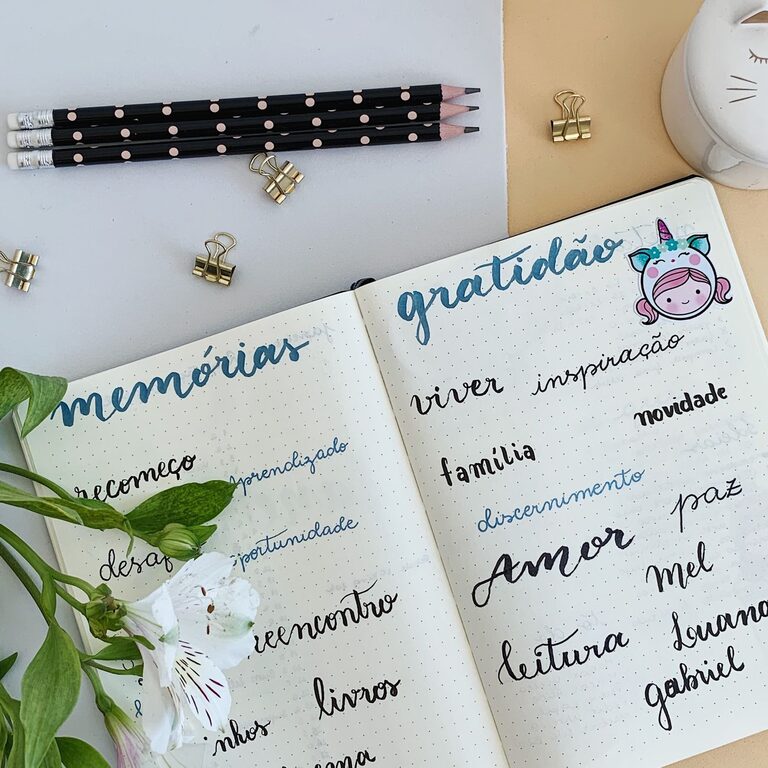
Gratitude journaling is a powerful and simple practice that can help you focus on the good things in life. By regularly writing down what you are thankful for, you can improve your mood, reduce stress, and cultivate a more positive outlook. If you’ve never kept a gratitude journal before, this guide will walk you through how to start one, maintain it, and get the most out of the experience.
What Is a Gratitude Journal?
A gratitude journal is a personal notebook where you write about things, people, or experiences you appreciate. The act of recording these positive aspects encourages mindfulness and reflection. Unlike a regular diary, a gratitude journal specifically highlights moments of thankfulness, helping shift your attention to the positive.
Why Start a Gratitude Journal?
There are many benefits to keeping a gratitude journal, including:
– Improved mood: Reflecting on what you appreciate can boost happiness.
– Reduced stress: Gratitude promotes calm and helps manage anxiety.
– Better sleep: Writing in your journal before bed can improve sleep quality.
– Stronger relationships: Recognizing kindness fosters connection.
– Increased mindfulness: It encourages you to live in the moment.
Choosing Your Journal
The first step is to select a journal that inspires you to write. It can be any notebook, a digital app, or even a simple document on your phone or computer. The key is to pick something convenient and appealing enough that you want to use it regularly.
Tips for choosing a journal:
– Select a size that fits your lifestyle (small for travel, larger for home).
– Pick paper or digital tools based on your writing preference.
– Choose one with a cover or design that makes you happy.
– Keep it dedicated to gratitude to avoid mixing with other notes.
How Often Should You Write?
There is no rules about how frequently you should write in your gratitude journal. Many people find that daily journaling works best, often in the morning or before bedtime. Even writing 3 to 5 things you’re thankful for each day can make a difference.
If daily journaling feels overwhelming, start with a few times a week. Consistency is more important than volume, so find a rhythm that fits your schedule comfortably.
What to Write About?
When getting started, it can be helpful to have prompts or categories to guide your writing. Here are some ideas:
Simple Gratitude Entries
– People in your life (family, friends, coworkers)
– Positive experiences from the day
– Personal strengths or accomplishments
– Nature and surroundings you appreciate
– Small comforts like a warm cup of tea or a favorite song
Gratitude Prompts
– What made you smile today?
– Describe a moment when you felt loved or supported.
– What is something you often take for granted?
– Who inspired you recently, and why?
– What is a recent challenge that taught you something valuable?
Mix It Up
Feel free to vary the style of your entries. You can write lists, short paragraphs, or even poems. Some people include drawings, photos, or mementos to enhance their journals.
Tips for Maintaining Your Gratitude Journal
To build a lasting habit, keep these suggestions in mind:
– Set a regular time: Link journaling to an existing routine, such as after breakfast or before bed.
– Keep it accessible: Place your journal somewhere you’ll see it often.
– Be honest: Write authentically about what you truly appreciate.
– Avoid pressure: If you miss a day, don’t worry—just pick up again.
– Celebrate progress: Review older entries to see how your gratitude evolves.
Common Challenges and How to Overcome Them
Some people struggle with gratitude journaling at first. Here are a few challenges you might face and how to address them:
– Difficulty thinking of things to write: Use prompts or reflect on simple daily moments.
– Feeling repetitive: Try to list new items or explore different areas of your life.
– Lack of time: Write brief entries or set a timer for 5 minutes.
– Negative mood: Allow yourself to acknowledge difficult feelings, then focus on small positive aspects.
Final Thoughts
Starting a gratitude journal is a rewarding way to foster optimism and well-being. It doesn’t require much time or effort but can lead to meaningful changes in how you see your life. Remember, the most important step is simply to begin. Grab a notebook, set aside a few minutes, and start noticing the good things around you today. Your gratitude journal is a personal space that will grow with you and nurture a happier, more mindful life.
