
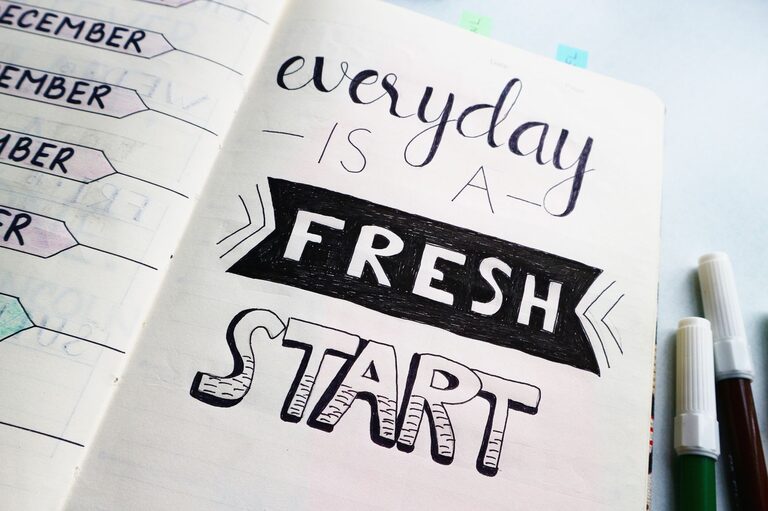
Creativity isn’t just for artists or designers; it’s a skill that anyone can develop and benefit from in everyday life. Whether you want to solve problems more effectively, approach tasks in a fresh way, or simply add some fun and color to your day, practicing creativity regularly can help.
The good news is that you don’t need special tools or a huge time commitment to get started. Here are some simple ways to practice creativity every day that anyone can try.
Why Practice Creativity Daily?
Before diving into the tips, it helps to understand why daily creativity matters. Creativity is like a muscle—the more you use it, the stronger it gets. When you make creativity a habit, you’ll notice improvements in:
– Problem-solving skills
– Confidence in your ideas
– Adaptability to new situations
– Overall happiness and satisfaction
Now, let’s explore practical ways to weave creativity into your daily routine.
1. Keep a Journal or Idea Notebook
Writing down your thoughts regularly is a powerful way to spark creativity.
– Daily journaling: Spend 5–10 minutes each day writing about your experiences, ideas, or observations. Don’t worry about grammar or structure—just let your thoughts flow.
– Idea notebook: Carry a small notebook or use a notes app to capture creative ideas as they come. Whether it’s a new recipe, a story idea, or a design concept, jot it down to revisit later.
This habit trains your brain to notice inspiration everywhere and preserves your ideas for future projects.
2. Try a Creative Warm-Up Exercise
Just like athletes stretch before a workout, your brain benefits from creative warm-ups.
– Doodle or sketch: Spend 5 minutes doodling whatever comes to mind. It’s not about creating perfect art but getting your mind moving.
– Free writing: Set a timer for 3 minutes and write without stopping. Don’t censor yourself—let your ideas flow freely.
– Word association: Pick a random word and list related words or ideas. This can help you see connections you wouldn’t normally notice.
These small exercises help break mental blocks and encourage fresh thinking.
3. Change Your Environment
Sometimes a change of scenery is all you need to boost creativity.
– Take a walk: Being in nature or even just stepping outside can refresh your mind and spark new ideas.
– Rearrange your workspace: Moving your desk or adding new décor can stimulate creativity by changing your usual surroundings.
– Visit new places: Explore a museum, coffee shop, or park you’ve never been to before. New experiences fuel creative thinking.
Even small changes can make your brain more open to imaginative ideas.
4. Limit Screen Time and Embrace Mindfulness
Constant digital distractions can hinder creative thinking.
– Set screen breaks: Schedule times during the day to unplug from phones, computers, and TV.
– Practice mindfulness: Spend a few minutes focusing on your breath or surroundings without judgment. This reduces stress and improves focus.
– Engage your senses: Notice sounds, smells, textures, and sights around you. Being present helps your brain gather inspiration.
Reducing screen time creates mental space for creativity to grow.
5. Experiment with New Skills or Hobbies
Trying something new encourages your brain to think differently.
– Learn a musical instrument or new language: These activities build new neural connections and inspire creativity.
– Cook a new recipe: Experiment with ingredients or cooking techniques.
– Try crafts or DIY projects: Whether it’s knitting, painting, or building, hands-on activities stimulate creative thinking.
Don’t worry about mastering these skills right away. The goal is to enjoy experimenting and learning.
6. Collaborate and Share Ideas
Creativity often thrives in community.
– Join clubs or meetups: Find groups related to writing, art, photography, or any interest you have.
– Brainstorm with friends: Share ideas and get feedback—different perspectives can spark new insights.
– Participate in challenges: Take on creative prompts or contests online to push your limits.
Collaborating helps you learn from others and keeps you motivated.
7. Embrace Mistakes and Keep a Playful Attitude
Fear of failure can block creativity, but mistakes are part of the process.
– Try without pressure: Give yourself permission to create imperfect work.
– Learn from errors: Reflect on what didn’t work and try a new approach.
– Stay playful: Approach creative tasks like a game or experiment.
A relaxed attitude keeps creativity flowing freely.
8. Set Small Creative Goals
Clear goals can turn creativity into a habit.
– Daily mini-challenges: For example, write one sentence a day, take one photo, or create one doodle.
– Track your progress: Use a journal, calendar, or app to note achievements and stay motivated.
– Celebrate successes: Recognize your creative efforts, no matter how small.
Over time, these small steps build confidence and momentum.
Conclusion
Practicing creativity every day doesn’t require hours or specialized skills. By incorporating simple habits like journaling, experimenting, changing your environment, and collaborating, you can nurture your creative mind regularly. Remember, creativity is about exploration and enjoyment, so keep it fun and consistent.
Start today with just one of these ideas and see how it transforms your approach to problem-solving, self-expression, and even daily life. Your creative journey is waiting!
